Pillows are an essential part of our sleep routine, and fill us with a sense of ease in the morning. They are designed to ensure both comfortable sleep and rest, relieve headaches, and support general well-being. While some people abstain from using pillows , the majority can’t do without them, and we choose from a large variety of models, such as tall, firm, soft, low, or anatomical designs. However, proper care is required to retain their shape and keep them fresh and clean for as long as possible.
Want to know how to wash pillows the right way? Each model, whether it’s made of silk, wool, feather, or artificial fibers, requires individual care. When buying pillows, we choose from a variety of fillers and different fabrics for pillowcases. Some products are meant only for professionals to carry out deep cleaning, while some can be machine washed on a weekly basis.
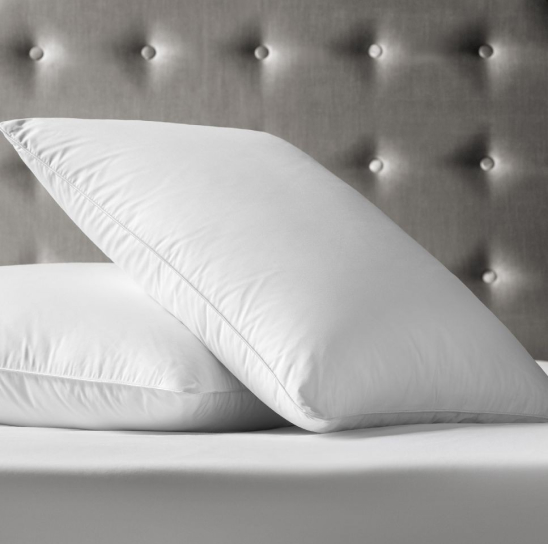
There’s no universal answer — it depends entirely on the pillow. What you must do every time, no matter the type, is check the care label before you do anything. It sounds basic, I know, but it’s exactly the step most people skip… and then wonder why their pillow came out flat or misshapen.
Household tip: if you wash a pillow in the machine, add two or three towels or even another pillow to keep the drum balanced. Otherwise, you risk strong vibrations and an unhappy washing machine.
Before you turn on the water, it helps to know what you’re dealing with. In general, there are two big categories: natural fillings — down, wool, cotton, linen — and modern, technologically processed ones like bamboo fiber, SENSOTEX®, or even milk fiber, a newer option that’s surprisingly gentle on sensitive skin. Each type has its own care rules, so it’s worth knowing exactly what you have before you start washing.
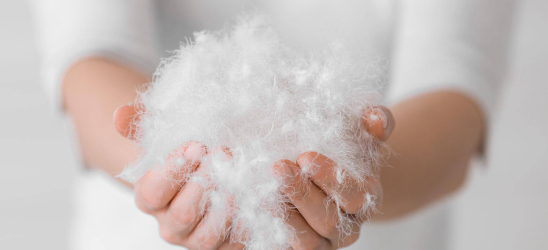
Down feels like resting your head on a warm cloud, while still offering natural support for your neck. No wonder it remains a customer favorite year after year.
The good news: Togas down pillows can be washed at home. Use your machine’s delicate cycle. The part that truly matters is drying — ideally in a dryer, also on a gentle setting, with a few tennis balls or dryer balls to keep the down from clumping and help it regain its fluffiness. If you don’t have a dryer, air‑drying works too, but it takes longer and you’ll need to shake the pillow often.
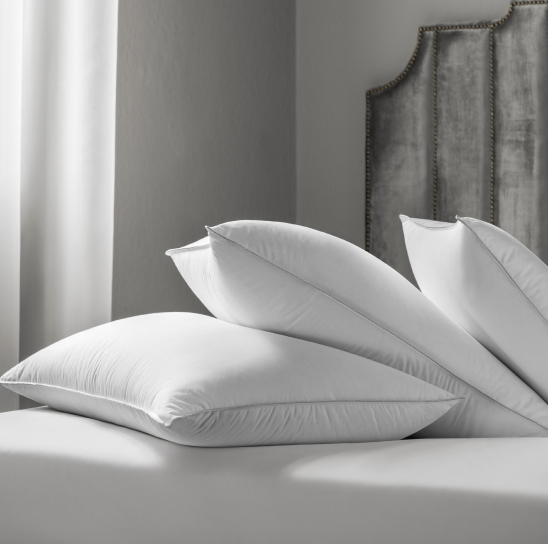
Between washes, shake your pillow regularly and air it out — down hates moisture and stale air. Store it in a breathable textile bag, not directly exposed.
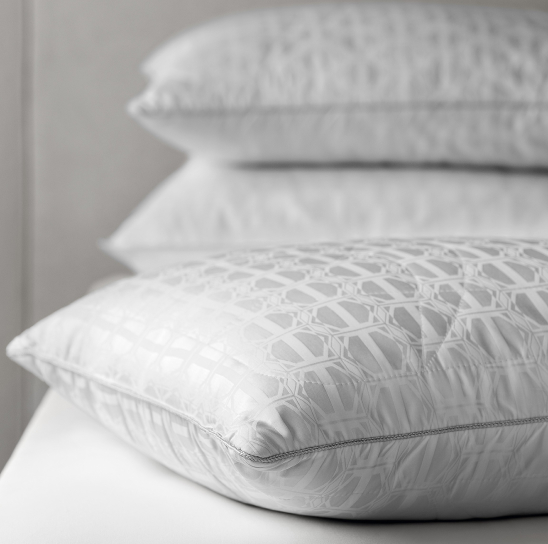
Sheep or camel wool is an excellent alternative to down: it absorbs excess moisture, allows airflow, and provides a dry, soothing warmth. Many say sleeping on wool relaxes the nervous system, improves circulation, and keeps colds away.
But machine washing? Usually no. The fibers are layered, and washing can cause matting and deformation. If your model uses wool formed into small balls, it may tolerate machine washing, but in general, professional dry cleaning is the safest choice.
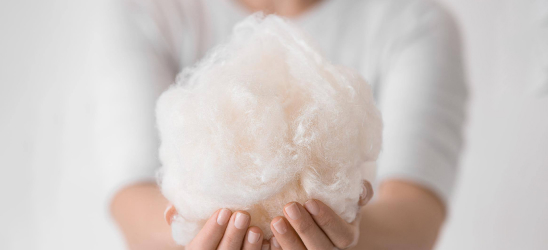
Silk isn’t just elegance — it regulates temperature, contains proteins and amino acids that benefit skin and hair, and contributes to deeper sleep. Togas uses Mulberry silk , Tussah silk, or ceiba plant fiber.
Golden rule: never in the washing machine. Silk fibers lose their structure with mechanical washing. Professional dry cleaning is the only safe option.
Bamboo or SENSOTEX® eucalyptus fibers absorb moisture well, breathe, and are hypoallergenic — perfect for sensitive households. They can be washed at up to 30°C, either on a delicate machine cycle or by hand. They’re firm, durable, and easy to maintain.
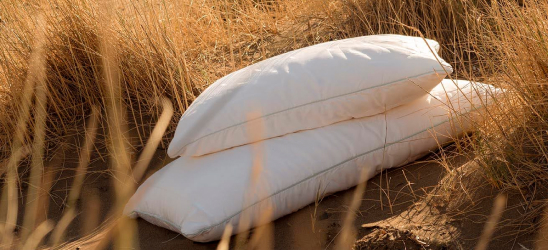
Microfiber is the go‑to when you want something easy to care for and budget‑friendly. It doesn’t trap dust, can be washed frequently, spins easily at up to 40°C, and dries fast. Great for kids’ rooms or for people who replace pillows often. Still, it’s more “practical” than “luxurious” — for true softness, customers still prefer down.
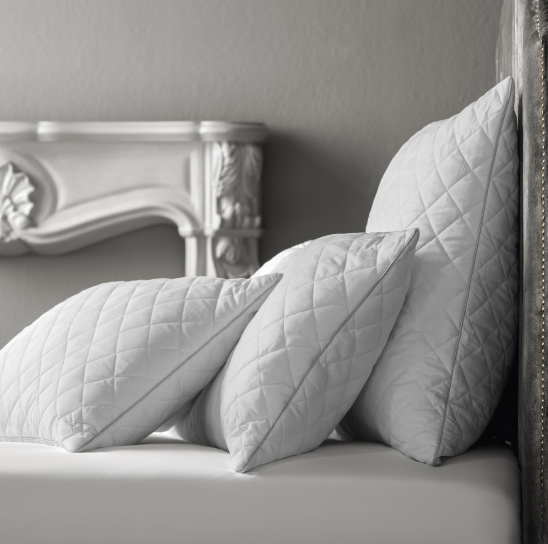
If you want a pillow with almost no allergy compromises, Togas Milk Dreams pillows are worth knowing. Made from processed milk fiber using European technology, they’re soft, lightweight, pleasant to the touch, and extremely hypoallergenic.
They’re also the easiest to maintain: machine wash at up to 30°C, no bleach, no ironing.
These pillows support your head and neck, keep your spine aligned, and reduce pain — ideal for back or side sleepers. The pillowcase can go in the machine, but the memory foam core needs professional dry cleaning only.
Not as often as sheets — but definitely not once every few years. A thorough cleaning every six months is ideal, or every three months if you want even better results.
Household tip: add a pillow‑washing reminder to your phone calendar, just like you do for deep cleaning. Otherwise, let’s be honest, it’s easy to forget.
Even with perfect care, pillows don’t last forever. Sleep specialists recommend replacing them every one to two years. If your pillow is lumpy, flat, or you wake up with neck pain, it’s a clear sign it’s time for a new one.
Can I dry pillows in the dryer?
Most of the time, yes — but it depends on the material. Foam and latex prefer air‑drying, while down needs low heat. Always check the label.
Hot or cold water?
Both work, depending on the pillow type. Each helps eliminate bacteria and dust mites. Again, the label is your best guide.
How do I prevent pillows from yellowing?
Use pillowcases and protective covers, wash them often, avoid eating or drinking in bed, skip harsh detergents, and dry properly every time. And don’t forget the one‑to‑two‑year replacement rule.

























































































































































































 The product has been added to your shopping cart.